Camino de Santiago
2016 · 2018 · 2019 · 2022
The Camino de Santiago is a network of old pilgrim roads across Europe, all leading to the tomb of Saint James in Santiago de Compostela. People have walked it since the ninth century. I have walked four of them. The French Way in 2016, across northern Spain from the Pyrenees to Galicia. The Portuguese Central in 2018. The Portuguese Coastal in 2019, and again in 2022 with the Variante Espiritual. Each one is sociable and solitary at once. You share tables and stories in the evening, then walk long silent hours in the morning. The route asks little except that you keep going. Somewhere in the repetition, the walking starts to work on you, and you arrive at Santiago a little changed.
The Highlander's Way
2019
The Highlander's Way crosses the Scottish Highlands, past lochs and over open moor, with weather that changes its mind by the hour. It follows old drovers' and military roads through some of the wildest country in Britain. There are no ancient shrines here. The sacred is in the land itself, in rock and water and the long northern light.
Inca Trail
2024
The Inca Trail runs high through the Peruvian Andes toward Machu Picchu. It was built by the Inca as a sacred route to their mountain city, and parts of the original stonework are still underfoot. The air is thin. The climbs are steep. Peaks and cloud forest fall away on either side. For the Inca these mountains were holy, and that has not faded. You feel it at the passes and in the ruins along the way. Walking here is slow by necessity, and the slowness is its own teaching.
Kumano Kodo
2024
In the forested mountains of Japan's Kii Peninsula, the Kumano Kodo has carried pilgrims for more than a thousand years. It was walked by emperors and monks on their way to the three great Kumano shrines, and it still holds that old devotion. The trails pass mossy stone paths, tall cedars and small villages. The land itself is treated as sacred here, the mountains and rivers seen as gods. Walking it feels different from the European roads. The quiet has a weight to it, and it stays with you.
The Via Francigena
2025
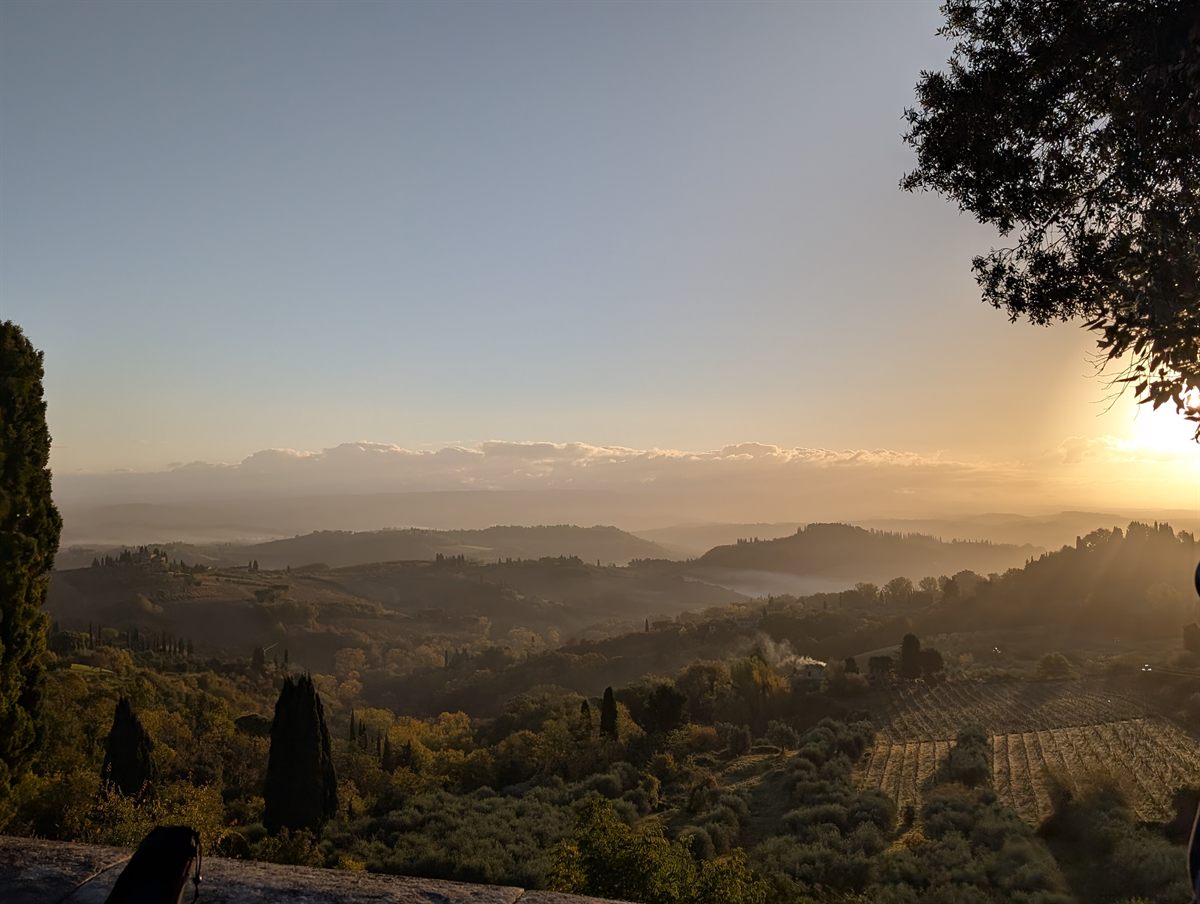
The Via Francigena runs from Canterbury down to Rome, roughly two thousand kilometres through England, France, Switzerland and Italy. It was mapped in the tenth century by an archbishop returning from Rome, and pilgrims have followed it ever since. It is an older and quieter road than the Camino, with fewer walkers and longer stretches of solitude. I walked it in ninety days, from the first stamp in Canterbury Cathedral to Rome. I went to close a chapter and to understand myself better. A road that long has a way of showing you what you are still holding on to. I have recorded the whole route, town by town, on the Books page, and told the fuller story in Beneath Heaven, All Kilometers Turn Inward.